
Desktop Tablet Phone
 Printable page in A4 size
 Lesson One in Twelve 15 Minute Topics.

7/ Obesity "Everywhere" is a Visible Indicator of Poor Health.
National Obesity Forum's Ten Points
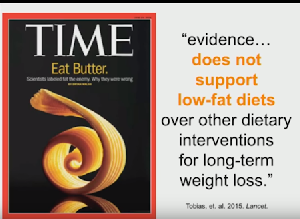
The National Obesity Forum (UK), in 2016 concluded that the benefits of a low carbohydrate diet include; good weight control, stable glucose control for type 2 diabetes, a cure for non-alcoholic fatty liver disease, and they expect many other benefits because metabolic syndrome disappears.
Eating fat does not make you fat
This is simple bio-chemistry. Fat (triglycerides) when digested is converted into free fatty acids to pass out of your small intestine. In the lymph system they reassembled as triglycerides inside chylomicrons (Large lipoprotein carriers.). Chylomicrons enter to blood-stream and travel through the body slowly becoming smaller as they unload their "cargo". The triglycerides as they leave are converted into free fatty acids again and are normally used as fuel. Excess dietary fat's cannot normally become body fat.
Depleted chylomicrons eventually find their way back to the liver, where the remnants are absorbed and converted. The liver is a major processor of your blood supply that converts inputs into more desirable outputs.
The presence of excess glucose, is common in modern high carbohydrate diets. Excess glucose is converted into fatty acids in the liver. This process is controlled by the hormone insulin. That enables the building of the triglycerides that are stored in the liver and carried to many other body tissues in very low-density lipoproteins (VLDL).
Eating a very low-carbohydrate diet normally keeps insulin turned down or off.
As VLDL travels it also loses it's contents slowly and it becomes smaller. The triglycerides carried by VLDL can be added to your body fat.
Saturated fat does not cause heart disease
.Fat does not clog your arteries. Full-fat dairy is likely protective. Butter is much better for you than margarine. Lard which was the fat our grandparents used is 40% saturated fat, and 59% unsaturated fat, and the main fat is oleic acid (44%) the same fat that's in olive oil. There is no correlation between saturated dietary fat and heart disease.
Fat when digested forms free fatty acids, that are carried in the blood by chylomicrons and are normally used as fuel, not stored as fat.
Avoid processed foods labeled "low fat", "lite", "low cholesterol."
These foods will be tasteless unless they are sugar filled in some way. The sugar can be disguised in labels using more than 100 names, for various manufactured carbohydrates, all of which are just sugar.
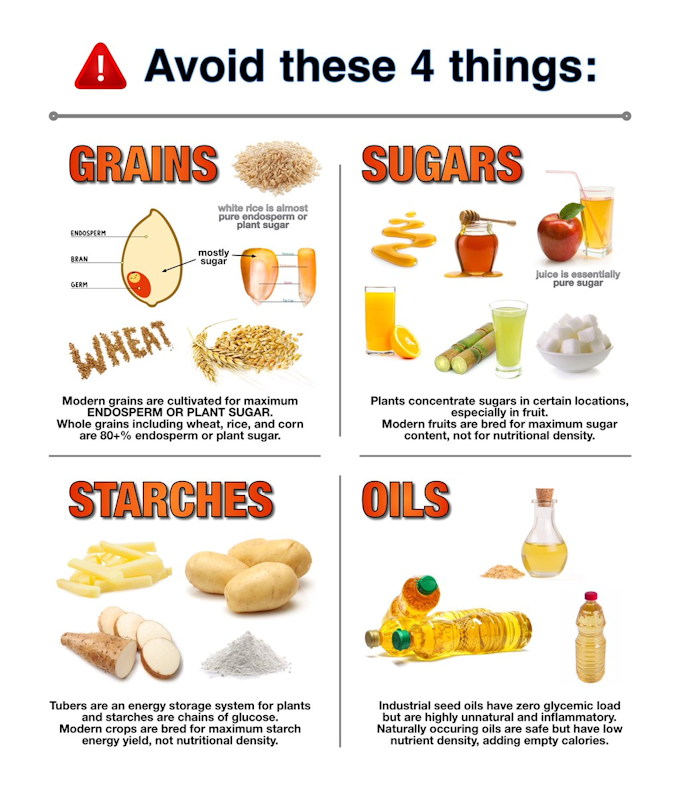
Limit starchy and refined carbohydrates.
Starchy foods, and manufactured foods, are preferred by retailers because they don't spoil. They are shelf safe. But they are essentially just sugar, or starch and are highly fattening. Breakfast cereals and low fat "slim" crackers are among the worst foods, they are not satiating, and you want more, when you've just had some.
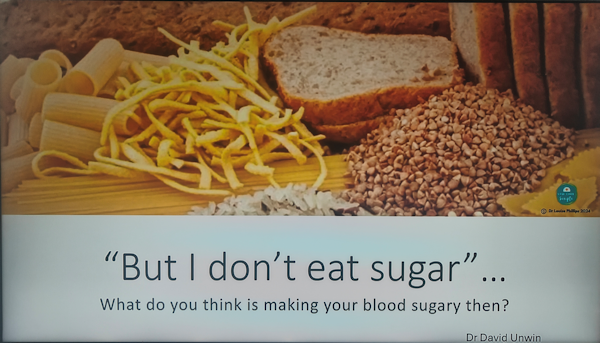
Breakfast cereals and low fat "slim" crackers are among the worst foods
Optimum sugar consumption for health is ZERO.
The sugar industry tries to tell us, that "Sugar is part of a balanced diet." Industry wants to maintain sales.
The demand that you must exercise more, to lose weight, comes from industry not from science.
Industrial vegetable oils should be avoided.
Many seed oils from plants were promoted to lower your heart disease risk by reducing total cholesterol. But these manufactured oils have proven to be harmful to health.
In some cases higher LDL turns out to be protective rather than harmful. The science is still confusing.
Stop counting calories.
You cannot count calories in any sensible way. That doesn't work.
Instead; count carbohydrates, roughly is near enough. Control how often you eat. In particular don't eat after your evening meal, until breakfast. Try then to eat a breakfast free of carbohydrates. If in a week or so you are not losing weight, stop cheating, eat less carbohydrate and eat more fat.
Build a long fast into every day. A 14 hour daily fast is easily possible.
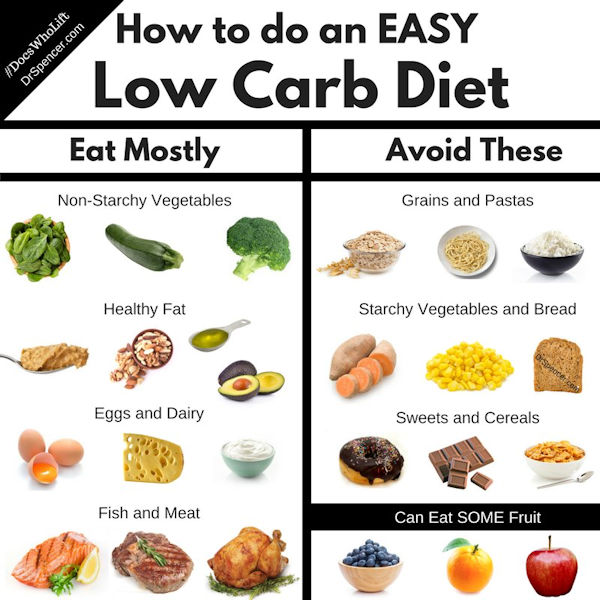
If foods on the left are the central feature of your diet, there are close to zero carbohydrates.
You cannot outrun a bad diet.
Despite what the sugar industry says, exercising is not a sensible way to lose weight. The Swedish Experts Committee made it clear in 2013, that exercise has zero or minimal effect on body mass.
The Green Prescription, promoted in New Zealand, is a BAD idea if you are obese or overweight, but it's a GOOD idea once your weight is near normal.
Snacking will make you fat.
Each time you snack, you are likely to boost glucose in the blood, and activate insulin. That is a normal process, but if insulin is "on" almost all day, because you keep snacking, you damage your homeostasis setting, and eventually you damage your body.
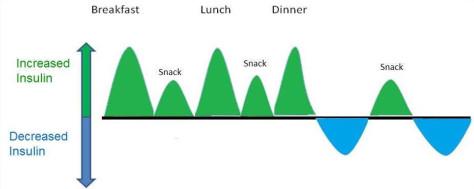
Every time you snack or eat a meal INSULIN is turned "on".
Evidence-based nutrition
The public expects doctors and nurses to know about eating a healthy diet. In fact they usually have very poor knowledge, and most of what they do know is wrong.
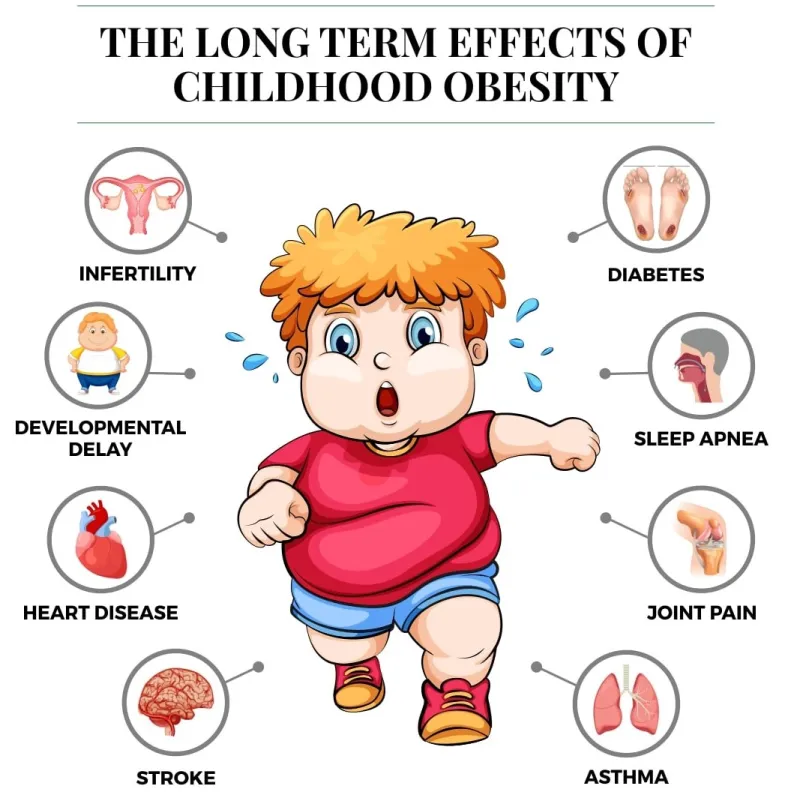
Obesity in Children - NZ Data
One child in nine is obese; 11%. A further 22% are overweight. 15% of Maori children are obese. 30% of Pacific children are obese. Children living in poverty are 5 times more likely to be obese. |
 |
The NZ Ministry of Health has started a Childhood Obesity Plan, with 22 "action points."
Sadly NONE of those action points are likely to be useful.
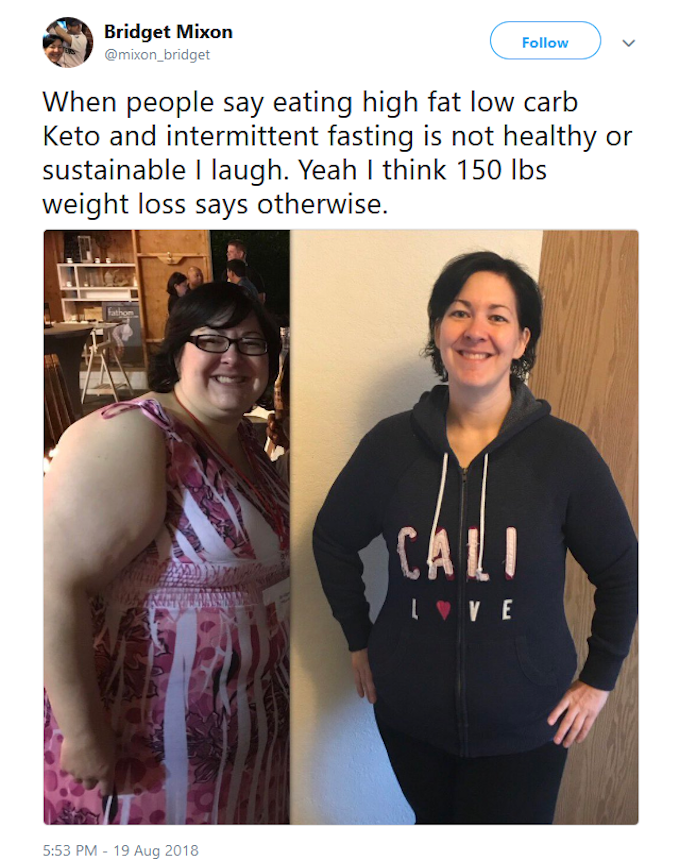
YOU CAN; improve your OWN health.
What do you understand from this short lesson?
To search the Open Future Health website to find similar content. Choose 2 or 3 Keywords according to your interest.
Search multiple words like: "wordone+wordtwo+wordthree".
In Google, search multiple words like: "wordone+wordtwo+wordthree"
Alternatively ask Chat GP. Suggested prompt in natural language: "Briefly: I understand that (insert your own words here), is that a sensible view?"
Keep a brief record of what you have now understood.
Write a short note for yourself, in a document, or in a journal, so that you have a record of what you have understood.
Next Topic: 8/ The Conspiracy of Silence. (Phone)

You can return to the Three Lessons Directory here. (Phone)
 Return to the Open Future Health Portal. (Where you started)