
Desktop Tablet Phone
 Printable page in A4 size
 Lesson One in Twelve 15 Minute Topics.

9/ Health Propaganda Enables Self-Sabotage
Sadly, most people never admit that their health is a problem, that requires action. "My doctor says that my health is good." "I've always eaten a healthy diet, and I walk often." "I'm a nurse and my health knowledge is very good." "I'm just a little overweight." "I've just got a little diabetes." Statements like that are self-sabotage.
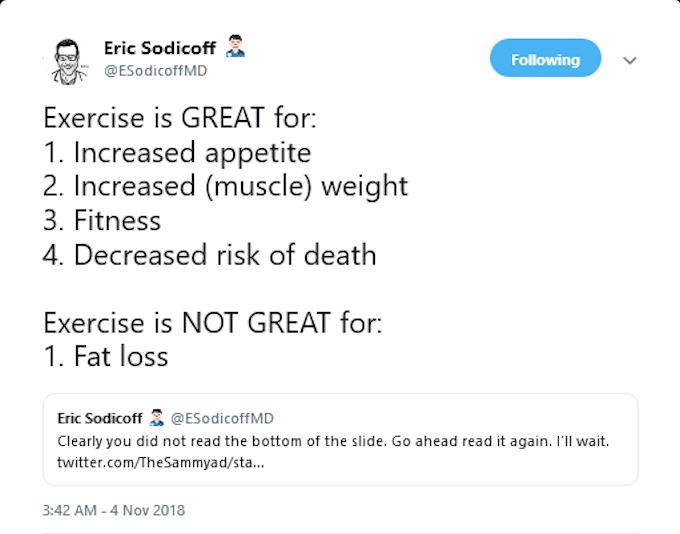
Often trained health professionals are themselves over-confident that they know how to be healthy. They are often the most resistant to new knowledge, because the old understanding is comfortable, and the new ideas seem to be contrary to what we were taught. Two simple examples; that low fat diets are the best way to lose weight. Or that exercise is the best way to lose weight. Both those ideas are wrong, proven wrong, but those myths still persist.
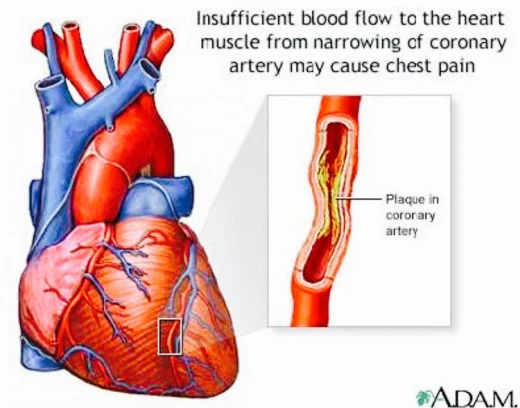
At some future time each of us will die. To die after living a full life isn't something to regret. To lose your life 15 or 20 years earlier than you could have lived is too often avoidable. That's not your genes, it's almost entirely your choices.
If you have a strong belief that a particular choice is healthy, based on your life experience, you are resistant to any alternative idea. For instance, the Woman's Health Initiative, refutes the idea that a whole-grain breakfast cereal with low fat milk or oat milk should be the recommended breakfast. Yet many people believe that oatmeal and milk, with low-fat yoghurt (even adding fruit) is ideal. Then to add to the misjudgment they add whole grain bread toast with margarine (even worse with jam).
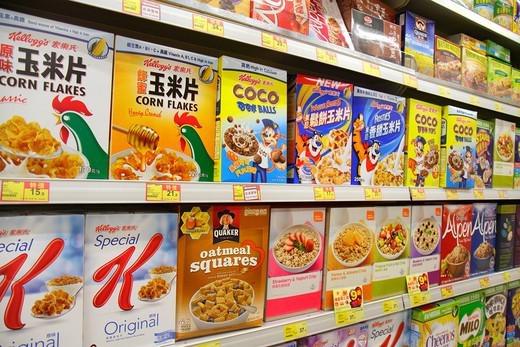
These "recommended" breakfast foods are one source of our obesity epidemic. Too often we buy the source of our poor health.
This style of breakfast is quickly digested, the starches are converted to glucose, an insulin spike occurs, and after two hours as the glucose levels fall, you feel "hungry" again.
There are two better alternatives. First cook a breakfast that is very low in carbohydrates. For instance an omelet, or bacon and eggs. (No toast) Don't be afraid to add an extra egg. Feed yourself.
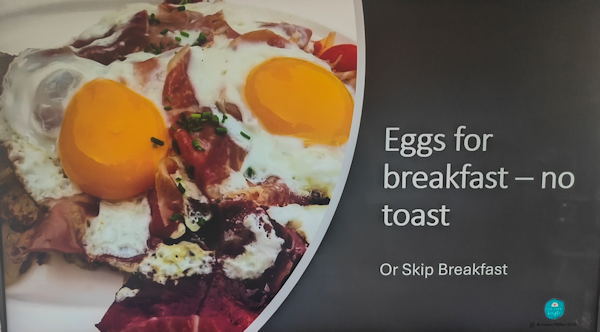
If you have breakfast at all, have a breakfast low in carbohydrates. Perhaps with none at all.
Now with a breakfast that will take longer to digest and does not raise glucose levels or require an insulin intervention, you can easily go for several hours without snacking. If you feed yourself, you will not feel hungry until much later, perhaps not at all.
The second alternative, depends on how well you fed yourself the previous day. If you are well fed at dinner, you will probably NOT be hungry in the morning. Skip early breakfast. Many people have their first meal for the day after 1pm, having fasted for 14 or even 16 hours.
What do you understand from this short lesson?
To search the Open Future Health website to find similar content. Choose 2 or 3 Keywords according to your interest.
Search multiple words like: "wordone+wordtwo+wordthree".
In Google, search multiple words like: "wordone+wordtwo+wordthree"
Alternatively ask Chat GP. Suggested prompt in natural language: "Briefly: I understand that (insert your own words here), is that a sensible view?"
Keep a brief record of what you have now understood.
Write a short note for yourself, in a document, or a journal, so that you have a record of what you have understood.
Next Topic: 10/ Better Health Begins With Better Knowledge. (Desktop)

You can return to the Three Lessons Directory here. (Desktop)
 Return to the Open Future Health Portal. (Where you started)