
Lesson Two in Ten 15 Minute Topics.

2/ Modern Foods Challenge Your Metabolism
Ultra-processed foods and ultra-processed drinks tend to be highly palatable, convenient, shelf stable, and affordable, and are often marketed in ways that appeal to children. These characteristics may explain why, in high income and, increasingly, in middle-income countries, ultra-processed foods consistently account for more than 50% of your shopping trolley.
People have used food processing to make food safe, palatable, and longer lasting since prehistoric times.
Several definitions and classifications of food processing exist. The Nova system is emerging as the most conceptually coherent, operationally useful, and widely used in dietary public health research and policy. Nova defines four levels of processing, from natural foods with minimal processing, to highly processed foods that can only be made using industrial processes.
The commercial food system has the potential to support for dietary public health, but systemic change is needed first and this is likely to require governmental action. However, evidence is growing that consumption of ultra-processed foods is associated with increased risk of non-communicable disease, presenting a public health challenge.
Key messages
Populations across the globe are highly dependent on commercial food systems for daily nourishment.
Commercial food systems rely heavily on high volume sales of foods high in unhealthy ingredients to generate profits and value for shareholders.
The commercial food system externalizes the high costs of its activities for societies, health, or the environment.
Governments need to increase their efforts to change in commercial food systems, through fiscal and regulatory policies and development of metrics for the health, environmental, and social impacts of food companies.
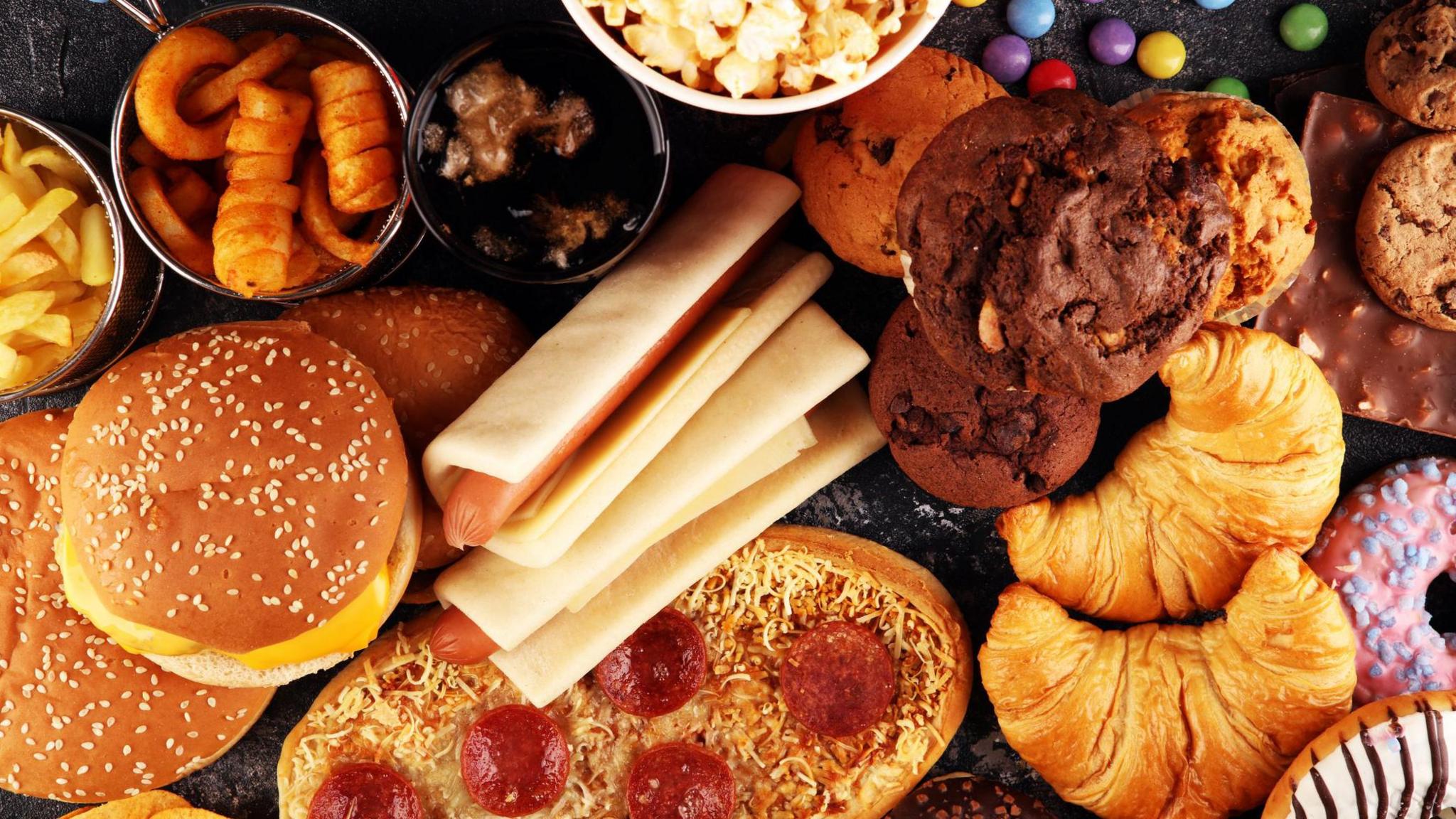
There's nothing "evil" about ultra processed food.
It looks very normal, and that's the problem.
Food corporations have exploited the dominant model in nutrition science to shape the way their ultra-processed products are defended, promoted.
In 2015 the New York Times revealed that Coca Cola was covertly funding the Global Energy Balance Network based at the University of Colorado, a research network set up to promote the message that all calories are equal.
1 The network’s aim was to show that sugar sweetened beverages are no more responsible for the rise in obesity levels than any other foods or a lack of physical activity.
2 In doing so, Coca Cola was copying and adapting the corporate political activities and scientific strategies that have been pioneered and perfected by tobacco, alcohol, and drug companies to defend and promote their products.
Corporate food and beverage companies such as Coca Cola have engaged in funding and conducting in-house nutrition research related to their products; sponsoring scientific seminars and expert meetings; involvement in scientific standards and policy committees; publishing in scholarly journals; funding scientific front groups; and delivering nutrition education programs.
The energy balance model being promoted by Coca Cola, for example, is a standard concept used by nutrition scientists to explain weight gain and loss (ie, calories in, calories out), and which Coca Cola has attempted to appropriate and spin in a particular direction. Greater awareness of these strategies is key to recapturing the nutrition agenda and improving population health.
Common modern food processing to achieve safety, palatability, and preservation goals includes pasteurization of milk to reduce harmful microbes, milling of wheat to remove indigestible components, and canning fruit to increase its shelf life. However, in the past 100 years industrial techniques have been increasingly used to produce novel ultra-processed food and drink products.
Social Connection - Our Addiction to Processed Foods
You need to be with other people on a regular basis.
Many of our eating behaviors are socially mandated.
Drinking tea or coffee, is always something you can do.
If others are eating cakes and deserts, are salads, meat, quiche, or nuts available?
In a restaurant, gluten free options are usually better choices. Keto options may also exist. Look for protein.
Please choose a screen size to return to the Directory Homepage.